


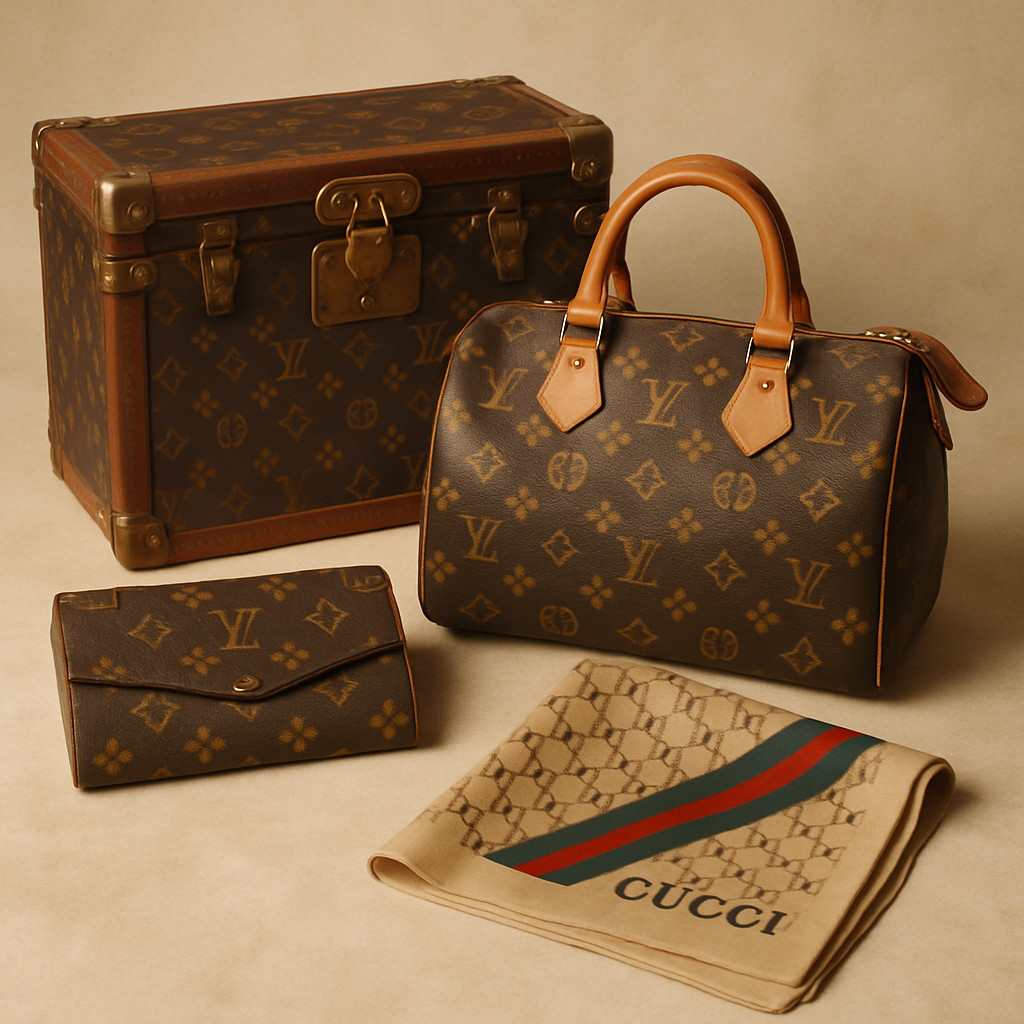
In the dazzling world of fashion and opulence, luxury brands have long stood as the embodiment of quality, craftsmanship, and prestige. Their evolution over the decades offers a fascinating glimpse into how these iconic brands have adapted to changing times while maintaining their allure. This article explores the transformative journey of famous luxury brands, their adaptation to contemporary trends, and how they continue to define luxury fashion today. Select the famous luxury brands.
The origins of luxury brands can be traced back to the late 19th and early 20th centuries. This was an era marked by industrial progress, social change, and a burgeoning interest in bespoke craftsmanship. Brands like Louis Vuitton, Chanel, and Gucci began their journey by offering products that showcased exceptional artistry. These brands initially catered to the elite, providing them with exclusive goods that were both functional and aesthetically pleasing.
Louis Vuitton: The Pioneer of Luxury Travel
Founded in 1854, Louis Vuitton initially specialized in crafting flat-bottom trunks that were lightweight and airtight. This innovation revolutionized travel for the wealthy, as these trunks could be stacked easily. Vuitton’s journey towards becoming a symbol of luxury travel began with this breakthrough. Over the years, Louis Vuitton expanded its offerings beyond trunks, introducing a range of leather goods that epitomized elegance and sophistication. The brand’s iconic monogram, introduced in 1896, became a hallmark of luxury, recognized worldwide.
Chanel: Redefining Women’s Fashion
Gabrielle “Coco” Chanel, with her revolutionary designs, redefined women’s fashion in the early 20th century. Her introduction of the Chanel No. 5 perfume and the iconic Chanel suit challenged the norms of women’s fashion, emphasizing simplicity and elegance over the ornate. Chanel’s influence extended beyond clothing, as she championed a lifestyle of empowerment and independence for women. Her designs, characterized by clean lines and luxurious fabrics, continue to inspire and shape modern fashion. Chanel’s legacy is not just in her products, but in her vision of femininity and freedom.
Gucci: Crafting a Legacy of Style
Gucci’s origins as a purveyor of fine leather goods laid the foundation for its future as a luxury fashion giant. Founded in Florence in 1921, the brand quickly gained a reputation for quality and style. With a focus on craftsmanship, Gucci’s products reflected the elegance and sophistication of Italian design. As the brand evolved, it introduced iconic elements such as the bamboo-handled bag and the interlocking G logo, which became synonymous with luxury and status. Gucci’s commitment to innovation and design excellence has cemented its place as a leader in the luxury fashion world.
The Post-War Era: A New Dawn for Luxury
The post-war era brought about significant changes in the luxury goods market. As economies recovered, there was a renewed interest in luxury fashion, fueled by the desire for exclusivity and status symbols. The world was ready for a new wave of creativity, and luxury brands were poised to capitalize on this resurgence.
Gucci: From Luggage to Luxury Fashion
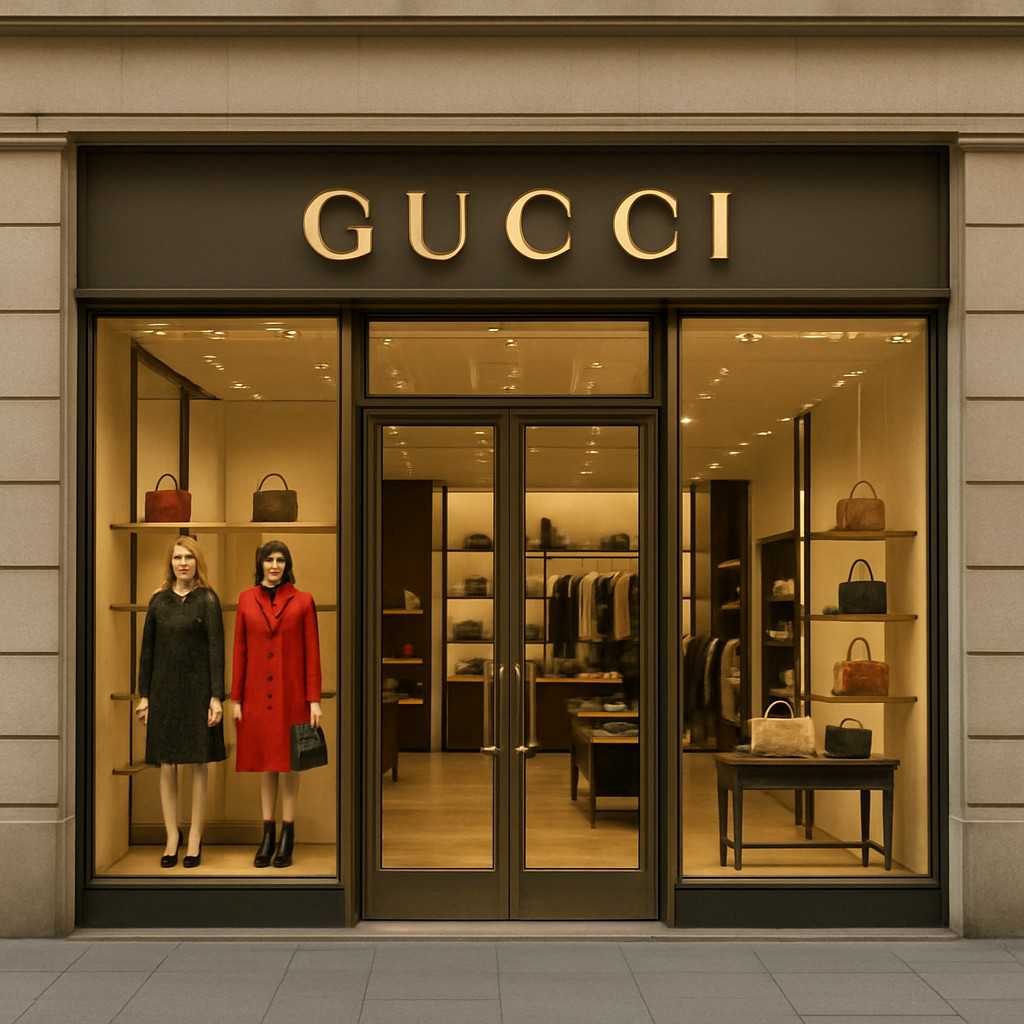
Gucci, originally a purveyor of fine leather goods, expanded its offerings in the post-war years to include high-end fashion. Under the leadership of Aldo Gucci, the brand introduced its signature bamboo-handled bags and the iconic interlocking G logo, establishing itself as a global luxury fashion house. This expansion was not just about product diversification; it was about creating a distinct identity that resonated with the post-war consumer. Gucci’s ability to blend tradition with modernity allowed it to capture the imagination of a new generation seeking glamour and sophistication.
Hermès: The Epitome of Timeless Craftsmanship
Hermès, with its roots in equestrian accessories, capitalized on its reputation for quality and craftsmanship. The brand’s transition into luxury fashion was marked by the introduction of the Kelly bag, named after Grace Kelly, which remains one of the most coveted luxury items to this day. Hermès’ dedication to craftsmanship is evident in every product, from its meticulously crafted leather goods to its exquisite silk scarves. The brand’s commitment to quality and timeless elegance has ensured its continued success and prestige in the luxury market.
Dior: Revolutionizing Haute Couture
Christian Dior’s entry into the fashion world in 1947 marked a turning point in luxury fashion. With his “New Look” collection, Dior reintroduced femininity and opulence to a post-war society yearning for beauty and extravagance. The collection, characterized by its cinched waists and full skirts, was a celebration of luxury and elegance. Dior’s influence extended beyond fashion; it set the stage for haute couture’s resurgence and positioned Paris as the epicenter of luxury fashion. The brand’s legacy continues to thrive, inspiring designers and fashion enthusiasts worldwide.
The Modern Era: Innovation and Expansion
The late 20th and early 21st centuries witnessed an unprecedented expansion of luxury brands into global markets. The advent of digital technology and e-commerce further transformed the luxury landscape, necessitating innovation and adaptation. Brands were no longer confined to physical spaces; they could reach audiences across the globe through digital platforms.
Prada: Minimalism and Modernity
Prada, under the creative direction of Miuccia Prada, embraced minimalism and modernity, challenging traditional notions of luxury. The brand’s innovative use of nylon and unconventional designs resonated with a younger audience, establishing Prada as a vanguard of contemporary luxury fashion. Prada’s approach to fashion is rooted in experimentation and individuality. By defying conventional aesthetics, the brand has carved a niche for itself as a leader in avant-garde fashion. Prada’s impact on the industry is evident in its ability to constantly evolve while maintaining its core values of creativity and innovation.
Burberry: Embracing Digital Transformation
Burberry stands out as a quintessential example of a luxury brand that embraced digital transformation. By leveraging social media and digital marketing, Burberry successfully rejuvenated its image and expanded its reach to a global audience, particularly appealing to tech-savvy millennials. The brand’s digital strategy included live-streaming fashion shows and engaging with consumers through interactive content. Burberry’s ability to merge traditional luxury with modern technology has set a precedent for other brands looking to adapt to the digital age. The brand’s success in this area highlights the importance of innovation in maintaining relevance in the luxury market.
Louis Vuitton: Expanding Horizons
Louis Vuitton’s global expansion in the late 20th century was a testament to its ability to adapt and thrive in a changing world. The brand’s strategic partnerships and collaborations with renowned artists and designers have kept it at the forefront of luxury fashion. By embracing new markets and exploring innovative designs, Louis Vuitton has maintained its status as a symbol of luxury and exclusivity. The brand’s commitment to quality and craftsmanship continues to resonate with consumers worldwide, ensuring its continued success in the luxury market.
Sustainability: The New Luxury Paradigm
As environmental concerns become increasingly important, luxury brands are reevaluating their practices to align with sustainable values. This shift towards sustainability marks a significant evolution in the luxury goods sector, reflecting a broader societal trend towards environmental responsibility.
Stella McCartney: Pioneering Sustainable Luxury
Stella McCartney has been at the forefront of sustainable luxury fashion. The brand’s commitment to ethical practices, including the use of eco-friendly materials and cruelty-free products, sets a precedent for other luxury brands to follow. McCartney’s approach to sustainability is holistic, encompassing every aspect of the brand’s operations. From sourcing raw materials to manufacturing processes, the brand prioritizes environmental responsibility. Stella McCartney’s leadership in sustainable fashion has inspired a new generation of designers and consumers to prioritize ethical and eco-friendly practices.
LVMH: Integrating Sustainability Across Brands
The LVMH group, encompassing brands like Dior, Fendi, and Givenchy, has integrated sustainability into its core business strategy. By investing in sustainable sourcing and reducing their carbon footprint, these luxury brands are redefining what it means to be a responsible global entity. LVMH’s commitment to sustainability is evident in its initiatives to promote circular fashion and reduce waste. The group’s efforts to create a sustainable future for luxury fashion are not only beneficial for the environment but also enhance the brands’ reputation and appeal to conscious consumers.
Gucci: Leading the Charge in Sustainable Fashion
Gucci has taken significant strides in promoting sustainability within the luxury fashion industry. The brand’s efforts include the use of sustainable materials, reducing waste, and implementing eco-friendly practices throughout its supply chain. Gucci’s dedication to sustainability is reflected in its commitment to transparency and accountability. By setting ambitious goals and working towards a more sustainable future, Gucci is leading the charge in redefining luxury fashion for the modern consumer.
The Future of Luxury Brands
As we move further into the 21st century, luxury brands face the challenge of balancing tradition with innovation. The future of luxury fashion will be shaped by technological advancements, changing consumer preferences, and the ongoing push for sustainability.
The Role of Technology in Shaping Luxury
Augmented reality (AR) and virtual reality (VR) are set to revolutionize the luxury shopping experience. Brands are exploring ways to offer immersive and personalized experiences that go beyond the traditional brick-and-mortar setting, enhancing customer engagement and satisfaction. The integration of technology into the luxury sector is not just about convenience; it’s about creating a unique and memorable experience for consumers. As technology continues to advance, luxury brands will need to adapt and innovate to meet the expectations of tech-savvy customers.
Inclusivity and Diversity in Luxury Fashion
As societal values evolve, luxury brands are increasingly focusing on inclusivity and diversity. By embracing diverse talent and showcasing a broader range of voices, these brands are not only expanding their customer base but also setting new standards for the industry. The push for inclusivity is evident in the casting of diverse models, the creation of inclusive sizing, and the representation of different cultures and backgrounds in marketing campaigns. Luxury brands are recognizing the importance of reflecting the diversity of their consumers and are taking steps to create a more inclusive and equitable industry.
The Intersection of Tradition and Innovation
The future of luxury fashion lies at the intersection of tradition and innovation. Brands must navigate the delicate balance between honoring their heritage and embracing new ideas and technologies. This involves reimagining traditional craftsmanship through the lens of modern design and sustainability. The ability to innovate while staying true to their core values will be crucial for luxury brands as they continue to evolve and thrive in a rapidly changing world. By embracing both tradition and innovation, luxury brands can create a future that is both timeless and forward-thinking.
Conclusion
The evolution of famous luxury brands is a testament to their resilience and adaptability. From their humble beginnings to becoming global powerhouses, these brands have continually reinvented themselves to stay relevant in a rapidly changing world. As they navigate the challenges of the future, their commitment to quality, innovation, and sustainability will ensure their continued prominence in the luxury fashion landscape. The journey of luxury brands is a story of creativity, perseverance, and the relentless pursuit of excellence. As they look towards the future, these iconic brands will continue to shape and define the world of luxury fashion for generations to come.
