


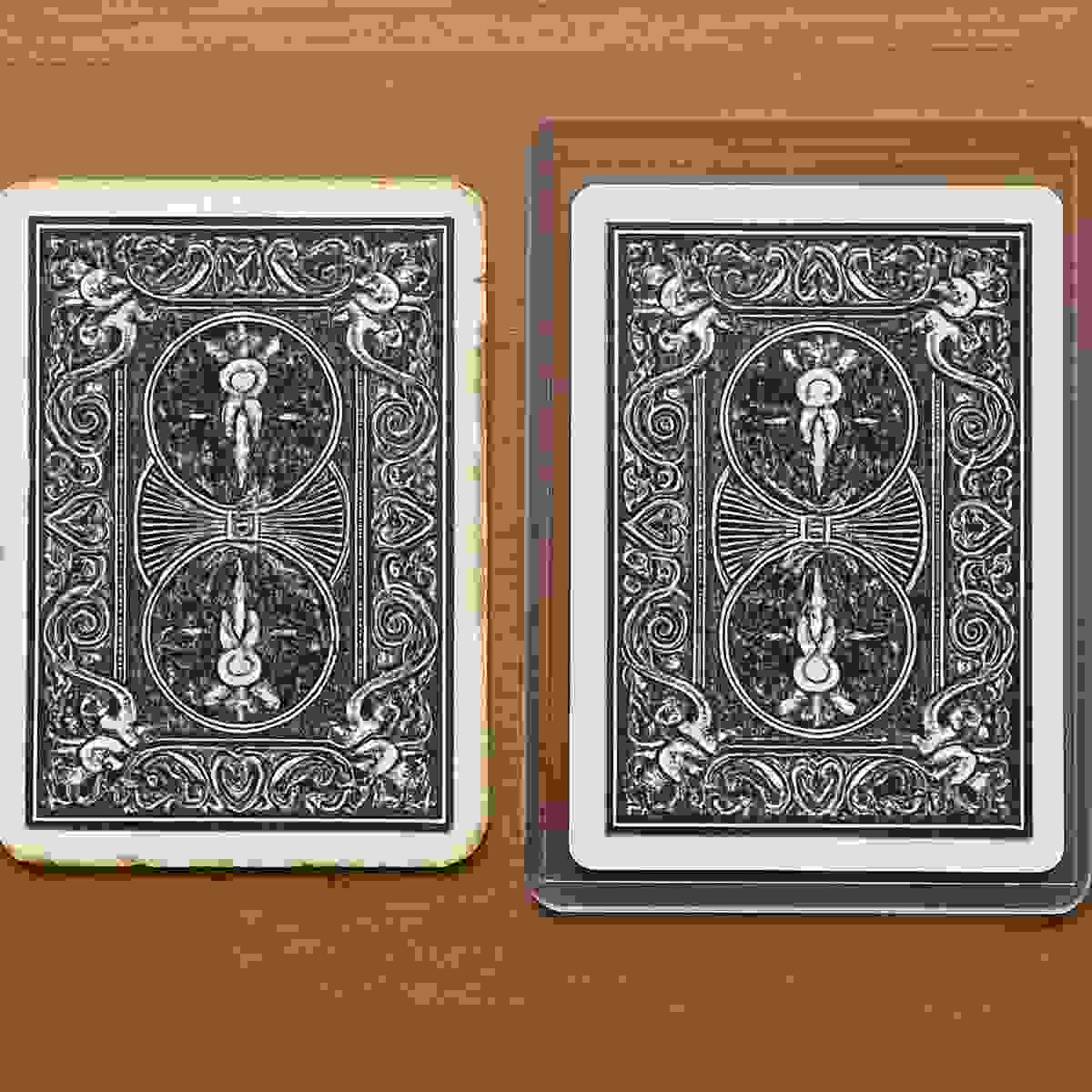
You just brought home a beautiful new board game. The art is stunning, the cards feel crisp and new—but how do you keep it that way? After a dozen games, you start to notice it: the edges of the cards are getting white and frayed. This subtle degradation, often called “shuffle wear,” happens even with careful handling. Every time you shuffle, it’s like lightly sanding the edges of your cards, slowly wearing them down and preventing that smooth, satisfying shuffle. Check out alternatif monata189 to know more
It’s not just the shuffling, either. The other, less visible enemies of your game cards are the natural oils on your fingers and the inevitable dust from game-night snacks. Over time, this buildup can make cards feel sticky, look grimy, and even cause the art to fade. Many players wonder, are card sleeves necessary for board games like Ticket to Ride or UNO? Considering how this gradual damage can make a beloved game feel old and worn, the answer is a definitive yes.
This is where card sleeves come in as a simple, affordable solution. Think of them as a sacrificial barrier—a clear, durable jacket that takes all the punishment so your card doesn’t have to. A good sleeve absorbs the friction from shuffling, provides a buffer against fingerprints, and can be the hero in the face of an accidental spill. For a very small investment, you can solve the problem of preventing card corner damage and keep your games feeling brand new for years to come.
Your First Guide to Sleeve Quality: Penny, Standard, and Premium
Walk into any store, and you’ll see that not all card sleeves are created equal. They come in different thicknesses and price points, but choosing the right one is easier than it looks. Think of it like picking a phone case: you can get a thin, basic one or a heavy-duty, ultra-protective one.
Sleeves generally fall into three main categories based on their durability and feel. Understanding the difference is key to protecting your games without overspending.
- Penny Sleeves: These are the thinnest, most affordable sleeves. True to their name, they are very inexpensive. They’re perfect for storing large collections of cards you don’t play with often, but they can feel flimsy during shuffling.
- Standard Sleeves: This is the sweet spot for most people. They are durable enough for regular gameplay, feel great to shuffle, and offer excellent protection for board game cards or your favorite deck.
- Premium Sleeves: These are the thickest and most durable TCG card protectors available, offering maximum protection against bends and wear. They’re the top choice for highly valuable or beloved cards that see a lot of play.
For almost any board game or a deck you play with regularly, Standard sleeves offer the best balance of price, protection, and feel. Penny sleeves are best for storage, and Premium sleeves are a great investment for your most prized cards.
Getting the Right Fit: A Guide to Card Sleeve Sizes
You wouldn’t buy a phone case without making sure it fits your phone model, and card sleeves are no different. Getting the right size is the single most important step to properly protecting your cards. A sleeve that’s too loose won’t prevent damage, and one that’s too tight might bend the card. Fortunately, the vast majority of popular games fall into two main categories.
Learning the difference between these two sizes will solve 90% of your purchasing decisions. Knowing which games use which size is the key to buying with confidence, especially when looking for things like Pokémon card sleeves or protectors for a new board game. These are the two industry-standard options you’ll see everywhere.
- Standard Size: This is the most common size, used for a huge number of games. If you have cards from Pokémon, Magic: The Gathering, or most modern board games like Ticket to Ride or Wingspan, this is the size you need.
- Japanese Size: These sleeves are slightly smaller and narrower. They are made specifically for games like Yu-Gi-Oh! and Cardfight!! Vanguard, whose cards have smaller dimensions.
What if your game isn’t on this list? There’s a simple, foolproof trick. Just open a search engine and type in “[Game Name] card size.” You’ll instantly find what you need, along with recommendations for the best card protectors for collectors and players of that game.
The Feel Factor: Matte vs. Glossy Protectors Explained
With the right size and quality picked out, the final step in choosing card sleeves comes down to personal taste: the finish. This choice is all about the look and feel during play, not about a higher level of protection. You’ll see two main options on the shelf: glossy and matte. Each offers a different experience, and understanding the trade-offs will help you find your favorite.
The most common finish you’ll encounter is glossy. These sleeves are crystal clear on both sides, making the card art look extra vibrant and shiny, much like a glossy photograph. The downside is that their slick surface can catch reflections from overhead lights, creating glare that might make cards hard to read. In contrast, matte sleeves have a slightly frosted, non-reflective finish on the back. This dramatically reduces glare, making them ideal for playing in well-lit rooms. Many players also find that the subtly textured surface gives them the best shuffle feel card protectors can offer, as the cards glide smoothly without sticking together.
Ultimately, the choice between matte vs glossy card protectors is completely up to you. There’s no wrong answer. If you want your card art to pop and don’t mind a bit of shine, go with glossy. If you prefer a glare-free view and a silky-smooth shuffle, matte is an excellent choice.
The “Archival-Safe” Secret: Why You Must Use PVC-Free Sleeves
While the finish is a matter of preference, one technical detail is crucial for keeping your cards safe long-term. Not all plastics are created equal, and some cheap, generic protectors contain a harmful chemical called PVC (Polyvinyl Chloride). Over time, especially when exposed to heat, PVC can break down and release acids that leech into your cards. This process can make the ink sticky, cause the art to fog up, and permanently ruin a card, destroying its value.
To avoid this disaster, always choose sleeves labeled archival-safe. This is the secret to preserving trading card value for years to come. These protectors are made from stable plastics, like polypropylene, that won’t harm your collection. On the packaging, look for the magic words that confirm this safety: “Acid-Free” and “PVC-Free.” Using acid-free and PVC-free protectors is the single most important step for safe, long-term storage.
Thankfully, nearly all sleeves you buy from modern hobby brands today are completely safe. It’s still a smart habit to glance at the package for that “PVC-Free” label, especially with unfamiliar brands or older products.
For Your Most Valuable Cards: Sleeves vs. Toploaders
While flexible sleeves are perfect for cards you actively shuffle and play with, they offer little defense against a serious bend or an accidental drop. For those truly special cards—a rare holographic pull or a sentimental favorite—you need to upgrade your defense. This is where a toploader comes in. A toploader is a rigid, clear plastic holder that acts like a suit of armor for your card, shielding it from the creases, bends, and impacts that can destroy its condition.
This brings up the essential comparison of penny sleeves vs toploaders, and there’s a critical rule you must follow. Never slide a “naked” card directly into a hard toploader. The stiff plastic can easily scratch the card’s delicate surface or foil finish, damaging the very item you’re trying to protect. The proper method is a simple, two-step process: first, place your card inside a soft sleeve, and then slide the sleeved card into the toploader. The soft sleeve acts as a scratch-proof barrier inside the rigid case.
Together, the soft sleeve and the rigid toploader create a powerful combination, forming one of the best card protectors for collectors who want to store or display their prized possessions. The inner sleeve guards against surface wear, while the outer toploader defends against physical force, a one-two punch that is key to preserving trading card value for the long haul.
The Pro Technique: What is Double-Sleeving and Do You Need It?
For ultimate protection during gameplay, some players take it a step further with a technique called double-sleeving. This method uses two sleeves: a standard outer sleeve and a special, snug-fitting inner one. These clear inner sleeves for cards, often called “perfect fits,” are designed to hug the card tightly with almost no extra space. Think of it like putting on a sock before sliding your foot into a shoe; it’s a form-fitting base layer that moves with the card.
The real magic is in how to double sleeve trading cards. You first slide the card into the thin inner sleeve, usually from the bottom up. Then, you slide that entire package into your normal, more durable sleeve from the top down. Because the openings now face opposite directions, you create a nearly perfect seal. This barrier is incredibly effective at keeping out dust, humidity, and the ultimate card killer: a spilled drink at the game table, making it one of the most durable tcg card protectors against accidents.
So, is this extra step necessary for you? For most people, the answer is no. A single, good-quality sleeve provides more than enough defense for casual game nights or a binder collection. Double-sleeving is typically reserved for competitive players or those using extremely valuable cards in their active decks. It offers the ultimate peace of mind but adds cost and thickness to your cards.
After the Sleeves: Choosing a Box That Actually Fits
You’ve carefully placed all your cards in protective sleeves, but now you face an unexpected puzzle: they won’t fit back in the original game box. Those cardboard inserts and wells were designed for slim, unsleeved cards, not the bulkier, protected versions. Trying to cram your newly upgraded deck inside is often a frustrating, and sometimes impossible, task that can risk damaging the very cards you just protected.
Fortunately, the solution is simple and readily available: a deck box. Think of it as a small, sturdy lunchbox just for your cards. These containers are specifically designed for the purpose of storing trading cards, providing a durable home that protects them from getting crushed in a backpack or rattling around loose. They come in a huge variety of materials and styles, from inexpensive clear plastic cases to more elaborate magnetic-lid boxes.
The key to choosing a deck box for sleeved cards is to check the capacity listed on the packaging. Most boxes will be labeled with a number, like “80+” or “100+,” indicating how many cards they can hold. Critically, you’ll want a deck box for sleeved cards that explicitly states its capacity is for sleeved cards. This ensures the box is built with that extra thickness in mind, giving you a perfect fit without cramming.
Your Quick-Start Guide to Perfect Protection
Just a short while ago, the wall of plastic sleeves at the game store might have seemed confusing. Now, you can look at that same wall and know exactly what you’re looking for. You’ve moved from uncertainty to confidence, armed with the knowledge to protect any game you own, whether it’s a family favorite or a valuable collectible.
This simple card protectors cheat sheet is all you need for your first purchase. This quick guide on how to choose card sleeves will ensure you get it right every time.
Your 3-Step Checklist:
- Find Your Size: Search online for “[Game Name] card size” to identify if you need Standard, Japanese, or another size.
- Pick Your Quality: Start with “Standard” quality sleeves for the perfect balance of durability and price.
- Choose Your Finish: Pick “Matte” for smooth shuffling and less glare, or “Glossy” to make the card art really pop.
Ultimately, game card sleeves are more than just plastic. They’re a small investment that preserves the artwork you love, the value of your collection, and the shared memories of game night for years to come. Every time you shuffle a deck without worrying about frayed edges or spills, you’ll know you made the right call. Happy gaming!
