


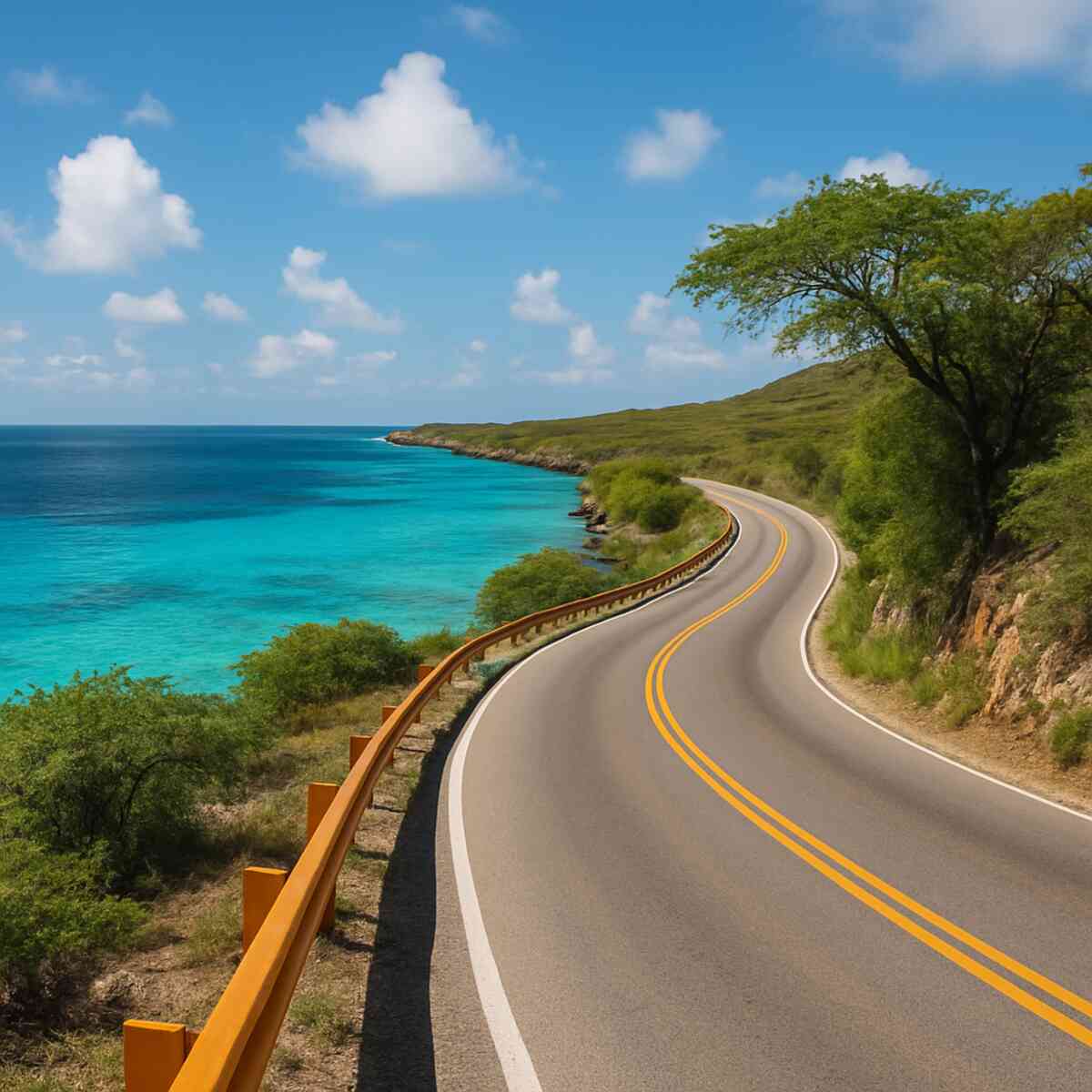
Imagine stepping off the plane, feeling the warm Caribbean breeze, and knowing that an entire island of hidden coves, vibrant colonial architecture, and rugged national parks is yours to explore at your own pace. Curacao is a destination that rewards the independent traveler, and to truly unlock its secrets, having your own set of wheels is not just a luxury—it is an absolute necessity. Find the best rental car in curacao.
While many Caribbean islands offer robust public transit networks or all-inclusive resorts where you never need to leave the property, Curacao is different. Its beauty is scattered across 171 square miles of diverse terrain. Securing a rental car in Curacao allows you to chase the perfect sunset, discover off-the-beaten-path beaches, and dine at local spots far away from the standard tourist zones.
This comprehensive guide is designed to walk you through every single detail you need to know about navigating the island, choosing the right vehicle, and ensuring your driving experience is safe, affordable, and spectacular.
Why You Need Your Own Vehicle
When planning an island getaway, one of the first questions travelers ask is whether they can get by without driving. In some cities around the world, public transit is king. In Curacao, the open road beckons.
Public Transportation vs Private Vehicle Rental Costs
To understand the value of renting a car, you must look at public transportation vs private vehicle rental costs. Curacao’s public transit system primarily consists of large buses known as “Konvoois” and smaller public vans. While taking a Konvooi is incredibly cheap (often just a couple of guilders), the schedule is heavily geared toward locals commuting to work and school. Buses to the spectacular beaches of the western side (Westpunt) run infrequently, sometimes only a few times a day. If you miss your return bus, you are stranded.
Taxis are available but can be prohibitively expensive for daily exploration. Unlike many major cities, taxis in Curacao do not use meters; they use fixed rates depending on the destination. A single round-trip taxi ride from Willemstad to a popular beach like Cas Abao can easily cost more than an entire day’s car rental. When you factor in the convenience, flexibility, and financial savings, a curacao car rental is overwhelmingly the smartest economic choice for couples, families, and solo adventurers alike.
Choosing the Right Vehicle for Your Island Itinerary
Not all roads in Curacao are created equal. While the main highways are generally well-paved, the paths leading to the island’s most breathtaking natural wonders can be a bit rugged. Therefore, deciding what type of vehicle to rent is a crucial first step.
Economy Car Versus SUV for Island Touring
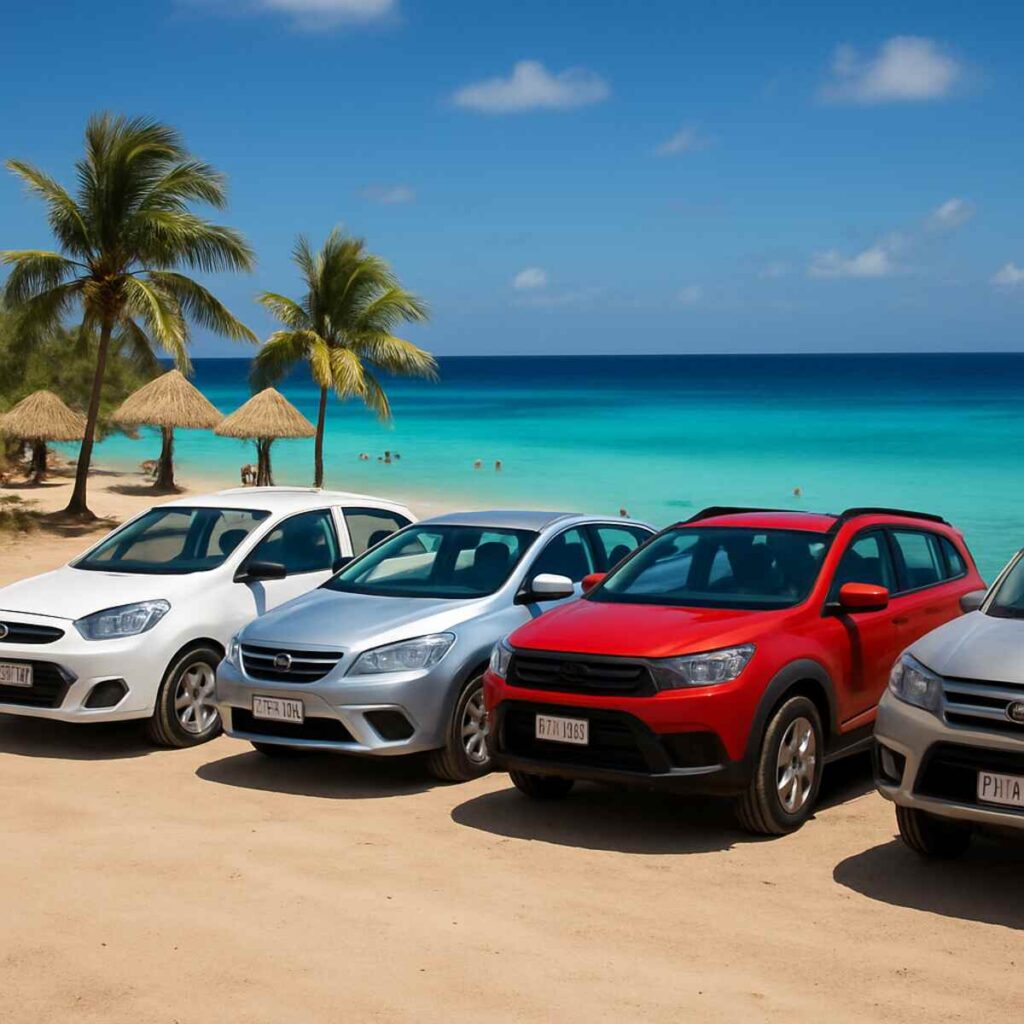
The debate between an economy car versus SUV for island touring depends entirely on your itinerary.
Economy Cars:
- Pros: Highly fuel-efficient, easy to maneuver through the narrow, one-way streets of Willemstad’s historic districts, and much easier to park. They are also the most budget-friendly option.
- Cons: Low ground clearance. If you plan to visit remote beaches accessible only via unpaved, pothole-riddled dirt roads, you might scrape the undercarriage of a small sedan.
SUVs and Crossovers:
- Pros: The higher ground clearance offers tremendous peace of mind. You will not have to hold your breath every time you navigate a rocky driveway or a dirt path. They also offer more space for beach gear, snorkeling equipment, and luggage.
- Cons: They consume more gas and cost more to rent per day.
Off-Road Capabilities for Exploring Remote Beaches
If you are an adventurous traveler, you might be wondering about off-road capabilities for exploring remote beaches. Beaches like Playa San Juan, Playa Murcielago, or the rugged inlets near the north coast often require navigating miles of unpaved dirt tracks. An SUV with higher clearance is highly recommended here. A standard sedan can sometimes make the journey, but it requires incredibly slow, cautious driving and risks damage to the vehicle’s underside.
Do You Need 4WD for Christoffel National Park?
A very common question among nature enthusiasts is: do you need 4WD for Christoffel National Park? The short answer is no. The routes through the national park—including the drive to the base of Mount Christoffel—are paved. However, the roads are incredibly narrow, steep, and feature sharp twists and turns. While a 4WD is not mandatory, a vehicle with a relatively strong engine (like a mid-sized SUV) will handle the steep inclines much better than a heavily loaded compact economy car with a tiny engine. Note that actual “off-roading” off the designated paved trails inside the park is strictly prohibited to protect the local flora and fauna.
Navigating the Booking Process
Getting a great deal and ensuring a smooth pickup process requires a bit of pre-planning. Here is how to secure the best car hire curacao has to offer.
Booking Early for Peak Holiday Season
Curacao’s high season runs from mid-December through April. During these months, North Americans and Europeans flock to the island to escape the winter cold. Because the island has a finite number of rental vehicles, booking early for peak holiday season is an absolute must. If you wait until you arrive at the airport in January, you will likely find that every rental agency is sold out, or you will be forced to pay exorbitant premium rates for luxury vehicles you don’t actually need. Aim to book your rental car at least two to three months in advance for winter travel.
Best Car Hire Companies at Hato Airport
For maximum convenience, picking up your vehicle right after passing through customs is ideal. When researching the best car hire companies at Hato Airport, you will find a mix of international giants and reputable local agencies.
- International Brands: Alamo, Avis, Budget, Enterprise, and Hertz all have desks directly across from the arrivals terminal. They offer brand familiarity, standardized loyalty programs, and modern fleets.
- Local Agencies: Local companies often provide excellent, personalized customer service and sometimes lower base rates. Many operate just a short shuttle ride away from the airport.
Whichever you choose, read recent reviews specifically for the Curacao branch, as franchise quality can vary.
Curacao International Driving Permit Requirements
Before you leave home, ensure your paperwork is in order. Regarding Curacao international driving permit requirements, the rules are quite traveler-friendly. If your valid domestic driver’s license is printed in the Roman alphabet (English, Spanish, Dutch, etc.), it is perfectly acceptable for renting a car and driving on the island. You do not legally need an International Driving Permit (IDP). However, if your license is in a non-Roman alphabet (such as Arabic, Mandarin, or Cyrillic), an IDP is required to accompany your national license.
Minimum Age for Renting a Vehicle
If you are a younger traveler, be aware of the minimum age for renting a vehicle. In Curacao, you generally must be at least 21 years old to rent a car, and you must have held your driver’s license for at least one full year. Additionally, drivers under the age of 23 (or sometimes 25, depending on the specific rental agency) will likely face a “young driver surcharge,” which can add $10 to $20 per day to the rental cost. Make sure to factor this into your travel budget.
Contracts, Insurance, and Avoiding Scams
Signing the rental agreement can sometimes feel like a daunting task, especially in a foreign country. Knowing what to look out for will save you headaches later.
Full Insurance Coverage Without Deductible Options
When renting a car, you will be offered various tiers of insurance. Basic Collision Damage Waiver (CDW) is usually included or offered cheaply, but it often comes with a high deductible (sometimes $500 to $1,500). If a goat scratches your bumper or a stray rock cracks your windshield, you are on the hook for that amount.
For true peace of mind, inquire about full insurance coverage without deductible options—often referred to as Super CDW or Zero Deductible coverage. While this will increase your daily rental rate, it allows you to enjoy your vacation without stressing over every minor scrape or pothole. Alternatively, check if your premium travel credit card offers primary auto rental insurance, but verify that it covers rentals in Curacao and understand the steps required to file a claim.
Hidden Fees in Local Rental Agreements
Always read the fine print. Being aware of hidden fees in local rental agreements can prevent a nasty surprise on your final credit card bill. Common extra charges include:
- Additional Drivers: Many companies charge a daily fee to add a second driver to the contract.
- Airport Surcharges: Some brands tack on a mandatory airport convenience fee.
- Cleaning Fees: This is a big one in Curacao! If you return the car with seats soaked in seawater, coated in thick mud, or filled with an excessive amount of beach sand, the agency will hit you with a deep-cleaning fee (often $50 or more). Always brush off sand before entering the car.
- Late Returns: Returning the car even an hour late can sometimes trigger a full extra day’s charge.
Avoiding Common Tourist Driving Scams
While Curacao is a safe and welcoming island, travelers should still practice diligence for avoiding common tourist driving scams.
- The “Pre-existing Damage” Trap: The most common issue isn’t a scam per se, but rather poor documentation. Before you drive off the lot, take a slow, detailed video of the entire exterior and interior of the car on your smartphone. Point out every single scratch, dent, and windshield chip to the agent and ensure they are marked on the checkout sheet.
- Mandatory Unnecessary Insurance: Some less-reputable agencies might aggressively insist that their local insurance is mandated by law, even if you have valid credit card coverage. Stand your ground, but make sure you have proof of your credit card’s coverage printed out to show them.
- Fuel Gauge Discrepancies: Ensure the car is exactly as full of gas as the contract states before leaving, and take a photo of the dashboard fuel gauge alongside the mileage.
Driving in Curacao: Rules, Etiquette, and Practical Tips
Driving a rental car in Curacao is an absolute joy, but it does require acclimatizing to local road rules and the island’s specific driving culture.
General Road Rules and Driving Etiquette
In Curacao, driving is on the right side of the road, just like in North America and most of Europe. Speed limits are posted in kilometers per hour (km/h), not miles. The general speed limit is 40-45 km/h in urban areas and 60-80 km/h on larger highways outside the city.
One of the most important traffic features you will encounter is the roundabout. Curacao uses roundabouts extensively to manage traffic flow. The rule is standard: traffic already inside the roundabout has the right of way. Approach slowly, yield to cars coming from your left, and use your turn signal when exiting.
You will also notice that local drivers are generally polite. It is common practice for a driver to briefly honk their horn or flash their lights to signal that they are yielding to let you pull out of a tricky intersection. A quick wave of acknowledgment is the standard “thank you.”
Is It Safe to Drive in Curacao at Night?
As your days turn into evenings, you will likely find yourself driving back from a late dinner. So, is it safe to drive in Curacao at night? Generally, yes. The crime rate against tourists driving is incredibly low. However, the safety concerns at night are mostly environmental rather than criminal.
- Lighting: Outside of Willemstad, streetlights are sparse. The roads leading to Westpunt can be pitch black.
- Potholes: Heavy tropical rains can open up potholes on secondary roads, which are very difficult to see in the dark.
- Animals on the Road: This is the biggest nighttime hazard. Wild goats, donkeys, and stray dogs frequently wander onto the roads, especially in the western part of the island.
When driving at night, reduce your speed, use your high beams when no other traffic is approaching, and stay highly vigilant for glowing eyes on the side of the road.
Navigating Gas Stations with Local Pump Systems
Getting gas in Curacao is slightly different from what you might be used to in the US or Europe. Navigating gas stations with local pump systems requires knowing the “pagatinu” (pre-pay) system.
Almost all gas stations in Curacao require you to pay before you pump. You cannot simply insert a credit card at the pump. Here is the step-by-step process:
- Pull up to a pump and note the pump number.
- Walk inside to the cashier (often sitting behind protective glass).
- Tell them your pump number and the amount of money you want to put in. Note: Gas is dispensed in liters, and prices are displayed in Antillean Guilders (NAF).
- You can pay with cash (Guilders or US Dollars) or a credit card. If you use US Dollars, you will receive change in Guilders.
- Walk back to your car and pump the gas. The pump will automatically stop when it reaches the amount you paid for. If your tank fills up before you reach the amount, you have to go back to the cashier to get your change.
Many stations are full-service, meaning an attendant will pump the gas for you. It is customary, though not strictly required, to give them a small tip (1 or 2 Guilders) for the service.
Parking Like a Pro
Finding a place to leave your car safely is just as important as driving it. While parking at beaches and resorts is usually straightforward, the capital city requires a bit of strategy.
General Parking Safety
No matter where you park on the island, the golden rule applies: never leave valuables in your car. Not even in the trunk, and certainly not visible on the seats. Rental cars are easily identifiable (often by their license plates or rental stickers), making them targets for opportunistic smash-and-grab thefts. Leave your passports, extra cash, and expensive electronics in your hotel safe. When parking at remote beaches, some locals even recommend leaving the car doors unlocked with the windows slightly cracked and the glovebox open to show there is nothing inside worth breaking a window for.
How to Find Free Parking in Willemstad
Willemstad, with its UNESCO World Heritage status, stunning street art, and famous floating bridge, is a must-visit. However, parking in the main districts of Punda and Otrobanda can be tricky. Street parking in the immediate downtown area is usually paid via parking meters. You must use coins or a local parking app, and enforcement is strict—they will apply a wheel boot to your car if your meter expires.
If you are looking for how to find free parking in Willemstad, you have a few excellent options:
- The Waaigat Dirt Lot: Located just on the edge of the Punda district, there is a massive dirt parking lot surrounding the Waaigat lagoon. It is entirely free and only a five-minute walk to the Queen Emma Bridge. It can get muddy after a rainstorm, but it is the most reliable free spot.
- Renaissance Mall Parking (Otrobanda): While not completely free forever, the Renaissance Mall offers a large, secure parking garage. If you buy a coffee or an item at the mall, you can get your parking ticket validated for a few hours of free parking.
- Residential Streets: If you are willing to walk 10-15 minutes, the residential streets bordering the historic districts (such as the edges of Pietermaai) offer free curbside parking. Just ensure you are not blocking a local’s driveway.
The Ultimate Road Trip: Exploring the Island
Now that you have the logistics down, it’s time to hit the road. Curacao’s geography is roughly divided into “Banda Ariba” (the more populated eastern side) and “Banda Abou” (the rugged, nature-heavy western side).
Driving from Hato Airport to Westpunt
Perhaps the most iconic route on the island is driving from Hato Airport to Westpunt. This journey takes you from the bustling center of the island all the way to its remote, wild western tip. Taking Weg Naar Westpunt (the Road to Westpunt), the drive straight through takes about 45 minutes to an hour, but you should plan to make it an all-day affair.
Suggested Stops Along the Route:
- Willibrordus: Keep an eye out for the salt pans of Jan Kok. Pull your car over to the side of the road to observe the flocks of wild pink flamingos wading in the shallow waters.
- Cas Abao and Porto Mari: These are two of the most spectacular beaches on the island. Both require driving down dirt access roads (this is where that SUV comes in handy) and charge a small entrance fee per car. The pristine white sand and incredibly clear water make the stop essential.
- Christoffel National Park: As you continue west, the imposing figure of Mount Christoffel rises on your right.
- Shete Boka National Park: Just past Christoffel, the landscape dramatically changes to a barren, lunar-like environment. Here, massive ocean waves smash against underground limestone caves. The driving within the park is rough, so take it slow.
- Playa Grandi / Playa Piskado: Near the very tip of Westpunt, park your car here to snorkel with wild sea turtles who feed on the scraps thrown by local fishermen.
- Grote Knip (Kenepa Grandi): End your day at this world-famous beach, known for having the most vibrant turquoise water in the entire Caribbean. Parking here is plentiful and free.
Exploring Banda Ariba (The East Side)
Don’t neglect the eastern side of the island. Having a rental car allows you to easily visit the Curacao Ostrich Farm, the Aloe Vera Plantation, and the Serena’s Art Factory where the famous Chichi dolls are painted.
You can also drive down to the Caracasbaai Peninsula to visit Tugboat Beach. The parking here is rocky and unpaved, but right offshore lies a sunken tugboat in shallow water, offering one of the best and most accessible snorkeling experiences on the island. After snorkeling, drive up to the nearby Fort Beekenburg for panoramic views of the bay.
What to Do in Case of an Emergency
Even with the best preparation, accidents or car troubles can happen. Handling them in Curacao is quite specific.
If you are involved in a traffic accident, do not move the vehicles. This is a strict rule in Curacao. Even if you are blocking traffic, you must leave the cars exactly where they collided. You must immediately call Forensys at 199 (formerly known as Curacao Road Services). Forensys is an independent agency that acts on behalf of the insurance companies to take photos, draw diagrams, and file the official accident report. If you move the car before Forensys arrives, your rental car insurance may be voided.
After calling Forensys, contact your rental car agency to inform them of the situation. Keep the emergency numbers provided by your rental company in your glovebox or saved in your phone. For medical emergencies, dial 912 for an ambulance or 911 for the police.
Final Thoughts on Your Curacao Driving Experience
Securing a rental car in Curacao is the key that unlocks the island’s most authentic, awe-inspiring experiences. From the freedom to linger at a secluded cove until sunset, to the ability to escape the cruise ship crowds in Willemstad, driving yourself transforms a good vacation into an unforgettable adventure.
To ensure a seamless trip, remember the core principles: assess your itinerary to decide on an economy car versus SUV for island touring, plan your trip early by booking early for peak holiday season, and protect yourself financially by securing full insurance coverage without deductible options.
Embrace the local driving culture, keep an eye out for wandering goats on those dark nighttime roads, and master the local pre-pay gas station system. With the windows down, your favorite playlist on the stereo, and a map pointing toward Westpunt, the open roads of Curacao are waiting for you. Safe travels and happy exploring!
