
Walk into any hookah lounge, and the first thing you notice isn’t the smoke—it’s the welcoming scent of double apple, mint, or spiced chai. While those sweet aromatic profiles catch your attention immediately, the dense, white clouds rolling through the room require a very different mechanism to produce. What exactly is heating up inside that little clay bowl? In practice, the substance responsible for both the flavor and the vapor is vastly different from what most people picture. Find out the best info about hookah tobacco.
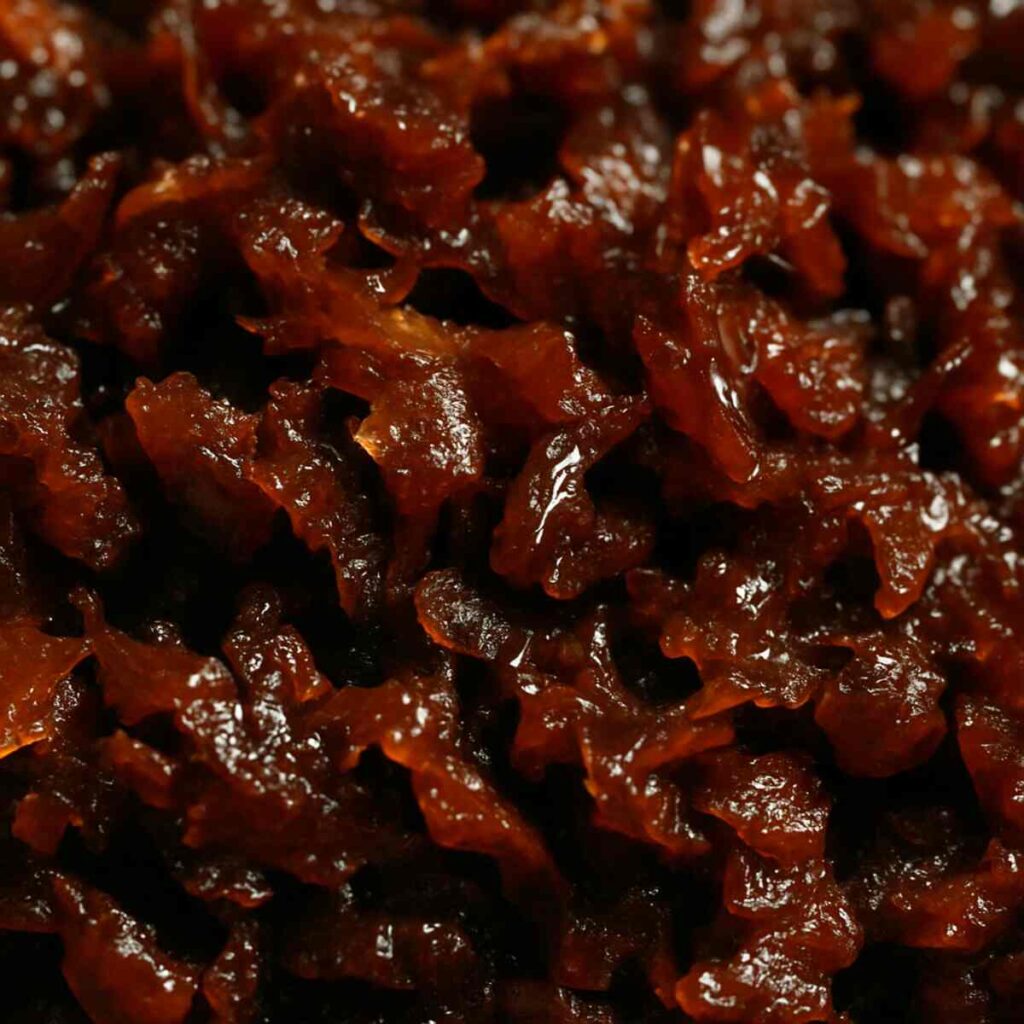
Many casual smokers mistakenly assume that hookah tobacco is simply dry cigarette filler with a splash of liquid thrown in. According to common industry knowledge, genuine shisha tobacco actually resembles a sticky fruit preserve rather than a standard, crumbly smoke. The raw leaves function just like a sponge in a culinary marinade, soaking up a rich mixture of honey, molasses, and vegetable glycerin. This heavy liquid coating serves a vital purpose; the glycerin is what ultimately vaporizes to create those massive clouds, while the sweet syrup protects the leaf from actually catching fire.
Gentle heat transforms these marinated ingredients into smooth vapor. Stripping away the confusing terminology demystifies the mechanics of the bowl, helping you make informed choices during your next visit.
Shisha vs. Hookah: How Identifying the Two Improves Your Lounge Visits
In any modern lounge, you will likely hear the words “hookah” and “shisha” used interchangeably by both beginners and seasoned guests. Mastering these terminology basics, however, makes a noticeable difference when communicating your preferences to a server or shopping for supplies. The common mix-up in the hookah vs shisha debate stems from the fact that one cannot work without the other, blurring the line between the equipment on the table and the actual product you are consuming.
To clear the smoke, think of the towering, water-filled pipe strictly as the hardware. This device—the hookah—is essentially a cooling and filtration tool designed to pull heated air down a stem and bubble it through water before it reaches you. Much like a high-end espresso machine, it does not provide any flavor on its own; its sole job is to facilitate the brewing process and deliver a smooth, comfortable experience.
Conversely, the sticky, aromatic mixture packed inside the bowl at the very top is the shisha tobacco. This is the consumable ingredient responsible for the clouds, the nicotine rush, and the distinct flavors of mint, fruit, or spiced chai. This distinction clarifies what exactly is being prepared for your session. A carefully crafted shisha recipe naturally holds sweet, flavorful syrup tightly.
The Leaf as a Sponge: Why Quality Tobacco Matters for Flavor Retention
Looking at a freshly opened batch of shisha, it resembles a wet fruit preserve rather than anything found in a standard cigarette. This sticky texture is entirely intentional. Raw tobacco undergoes an extensive washing process to strip away harsh natural oils and excess nicotine. Once cleaned, the leaf acts like a culinary sponge, ready to soak up new ingredients. Instead of smoking the plant for its earthy taste, you are using the leaf primarily as a delivery vehicle for a sweet marinade.
The secret to a long-lasting session comes down to leaf porosity. Just as a baker needs flour that properly absorbs wet ingredients, manufacturers select leaves with an open cellular structure to lock in heavy syrups. High-quality hookah tobacco holds this moisture tightly, ensuring excellent flavor retention from your first puff to the last. If the leaf is poorly processed, the flavor evaporates in minutes, leaving behind a dry and harsh taste.
The sponge-like porosity explains why premium brands invest so heavily in leaves that consistently hold their flavor payload. However, even the most perfectly primed tobacco leaf cannot withstand the intense heat of glowing charcoal on its own. To protect this delicate, flavor-soaked sponge from instantly turning to ash, makers rely on molasses to prevent the tobacco from burning.
Molasses: The Essential Ingredient That Prevents Your Tobacco from Burning
Placing glowing charcoal over bare leaves would cause an immediate, harsh fire. To prevent this, shisha tobacco relies on heavy syrups to act as a protective shield. By soaking the porous leaves in liquid, manufacturers fundamentally change how the plant reacts to temperature. Instead of catching fire and burning like a standard cigarette, the wet tobacco gently bakes. This moisture ensures the intense heat cooks the flavorings rather than destroying the leaf itself, producing a noticeably smoother vapor.
The specific liquid chosen to coat the leaves also impacts your overall session. Traditionally, a natural honey binder was the standard, offering a distinct floral sweetness and a sticky texture to hold the mixture together. Today, modern brands frequently use molasses because it handles high temperatures exceptionally well. Regardless of the exact syrup, this thick coating functions as a powerful heat buffer. It absorbs the thermal shock from the glowing coals, allowing the bowl to warm up gradually without scorching the delicate ingredients inside.
Without this sweet barrier, your session would quickly end in a coughing fit. The syrup ensures you inhale smoothly vaporized flavor rather than combusted plant matter.
How Glycerin Turns Heat into the Thick White Clouds You See
Vegetable glycerin is the secret behind those dense plumes. While molasses protects the leaf from burning, this clear liquid is entirely responsible for cloud production. In the culinary world, glycerin is a common food-grade additive used to keep baked goods moist. Inside your bowl, it acts as a powerful moisture trap. As one of the core shisha ingredients, it is absorbed directly into the tobacco alongside sweet syrups and fruit extracts.
Once the glowing charcoal gently warms this mixture, a fascinating physical change occurs. Rather than catching fire, the indirect heat causes the liquid glycerin to undergo aerosolization. This simply means the heated liquid transforms into tiny, suspended droplets in the air. Therefore, what you exhale is not pure tobacco smoke in the traditional sense; it is primarily glycerin vapor carrying the baked flavors. It functions similarly to a kitchen steamer, turning hot water into a visible, dense mist that delivers a noticeably smooth sensation.
Recognizing the vegetable glycerin role in shisha smoke fundamentally shifts how you view the experience. You are enjoying a carefully balanced recipe of vaporized liquids, not just combusting dry plants. Because these syrups are essential for both taste and texture, quality matters immensely. While some manufacturers take shortcuts with artificial binders, authentic blends rely on natural components, such as those found in traditional Mu’assel.
Traditional Mu’assel: Why Real Ingredients Outperform Synthetic Alternatives
Stepping into a lounge, you might hear enthusiasts refer to the sweet mixture in your bowl not as shisha, but as Mu’assel. This historic term translates directly to “honeyed,” perfectly describing the earliest methods of preserving and sweetening tobacco leaves. Before mass production introduced chemical shortcuts, artisans treated tobacco like a delicate fruit preserve. They understood that achieving exceptional shisha quality wasn’t about relying on artificial additives, but rather about finding the perfect harmony of raw sweeteners and cured leaves.
Creating authentic blends with traditional mu’assel ingredients relies on a straightforward, four-pillar recipe rather than a complex laboratory formula. Think of it as crafting a high-quality marinade where every component serves a distinct purpose:
- Tobacco: The foundational sponge that absorbs the surrounding liquids.
- Honey/Molasses: The natural binder that sweetens the mix and protects the leaf from burning.
- Fruit Pulp/Glycerin: The moisture engines responsible for thick vapor and texture.
- Natural Flavor Oils: The botanical extracts that define the actual taste.
Modern manufacturers sometimes abandon this time-honored approach, substituting genuine ingredients with synthetic syrups to cut costs. You can almost instantly taste the difference, much like comparing a jar of artisanal strawberry jam to an artificially flavored hard candy. While synthetics often leave a chemical aftertaste and lose flavor quickly, natural flavorings soak deeply into the leaf, providing a smooth, enduring session. This foundational recipe creates the perfect stage for decoding flavor profiles, explaining why some shishas taste like freshly picked fruit while others deliver the warmth of baking spices.
Decoding Flavor Profiles: Why Some Shishas Taste Like Fruit While Others Taste Like Spices
Browsing a lounge menu often feels like scanning a dessert cart, but understanding shisha flavor profiles boils down to four main categories. Fruit blends offer vibrant tastes like citrus or berry, acting as an easy entry point. Floral options, such as rose or jasmine, provide a delicate experience reminiscent of sipping herbal tea. Conversely, dessert and spiced hookah flavors mimic baked goods, utilizing ingredients like cinnamon and vanilla to create a warm, rich sensation on the palate.
Beyond these primary tastes, words like “mint” or “ice” appear alongside almost every category. Rather than just adding a peppermint flavor, cooling agents act as structural modifiers that change the physical sensation of the vapor. Think of it like dropping ice cubes into a glass of lemonade; a touch of mint physically cools the smoke as it hits your throat, making heavy spiced blends feel smoother and bright fruit flavors feel much more refreshing.
Your personal taste is the best guide for navigating this massive menu. If you crave rich cake after dinner, a spiced chai blend will hit the mark, whereas smoothie lovers might prefer a tropical fruit mix. Matching these profiles to your everyday preferences guarantees a highly enjoyable session, making blonde leaf shisha the gold standard for beginners.
Why Blonde Leaf Shisha is the Gold Standard for Beginners
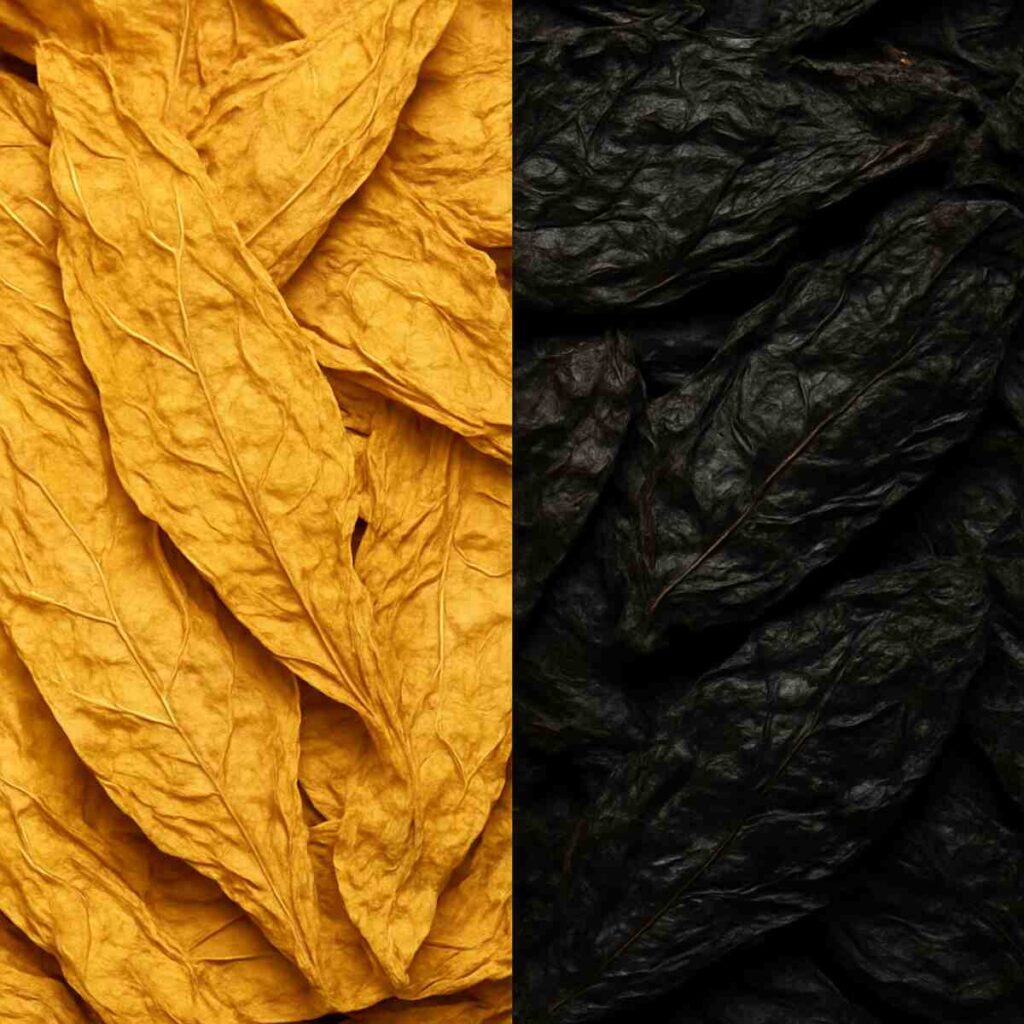
Peek inside a typical shisha tin, and you will likely see a bright, honey-colored mixture. This blonde leaf shisha earns its name from its golden hue and light, jam-like texture. Before being mixed with molasses and fruit extracts, the tobacco undergoes a preparation step called washing. Think of it like briefly rinsing tea leaves before brewing a pot; running water over the harvest strips away much of the plant’s natural heavy oils and inherent harshness.
Because the leaves are thoroughly rinsed, this mild hookah tobacco contains significantly lower nicotine levels. This creates a smooth, forgiving base that acts as a blank canvas for the added flavorings. Without the intense taste of raw leaf competing for your attention, the delicate notes of vanilla or sweet melon can truly shine. For anyone wanting to enjoy pure flavor without experiencing a dizzying head-rush, this lighter preparation provides the perfect balance.
Stepping into a lounge for a casual night usually guarantees you will be served this golden variety by default. Its universally approachable nature makes the choice between blonde leaf vs dark leaf shisha quite simple for beginners and social smokers alike. While the bright, sweet characteristics of washed leaves offer an ideal starting point, some smokers eventually desire a bolder session. This growing curiosity often points toward the robust, earthy experience of dark leaf.
The Dark Leaf Advantage: Achieving a Robust, Earthy Tobacco Experience
While golden leaves offer a light session, some smokers eventually crave a deeper profile. This is where dark-leaf shisha comes into the picture. Visually striking, this mixture boasts a dark brown or black color and a noticeably rich, syrupy molasses texture. The secret to its intensity is simple: it remains unwashed. Skipping the rinsing process allows the leaves to retain their natural heavy oils and complex aromas. Think of it as a dark-roast espresso compared to a mild breakfast tea; it is bold, unfiltered, and unapologetically strong.
Because these raw plant characteristics remain intact, the underlying flavor of robust tobacco plays a leading role rather than hiding in the background. Producers lean into this earthy foundation by pairing it with complementary profiles instead of light, candy-like sweets. Heavy spices like clove, deep coffee blends, or dark cherry marinades mingle beautifully with the natural musk of the unwashed leaf to create a savory, full-bodied smoke.
Enjoying this darker variety also introduces a prominent physical sensation often called the “buzz.” Since unwashed leaves keep their natural potency, comparing nicotine levels in different shisha brands reveals that dark options pack a significantly heavier punch. Because these unwashed leaves keep their natural potency, managing the buzz and understanding nicotine levels becomes essential for session comfort.
Managing the Buzz: How Nicotine Levels Dictate Your Session Comfort
Picking up a box of shisha is much easier when you know to check the label for nicotine percentages. Most blonde leaf varieties display a very low number, typically around 0.05%, creating a mild session similar to sipping green tea. Conversely, comparing nicotine levels in different shisha brands reveals that unwashed dark leaves often register at 0.5% or higher. Just as you treat a double espresso differently than iced tea, recognizing these numbers helps you gauge potency before a session even begins.
This numerical difference directly triggers the physical sensation commonly known as the hookah buzz. Experiencing a sudden head-rush after a few deep draws is the body’s natural reaction to that specific concentration. A lighter percentage offers a smooth, casual experience, while a heavier dose delivers a grounding sensation that demands a slower approach. Misjudging your preferred shisha strength can easily turn a relaxing evening into an overwhelmingly dizzying affair.
To remain comfortable, consciously adapt your smoking pace to match the tobacco’s intensity. Taking longer breaks between draws and staying hydrated will help manage any unexpected head-rush. Keeping the vapor smooth and preventing bitter harshness requires proper temperature control.
Baking vs. Grilling: Why Indirect Heat is the Key to Flavor Purity
Many assume lighting a hookah works just like a standard cigarette, but the core mechanics are entirely different. Instead of setting the tobacco on fire, a well-prepared bowl relies on a process closer to baking than grilling. The key difference between vaporization and combustion is the secret to a smooth, enjoyable session. When placing hot charcoal above the bowl, the goal is simply to warm the leafy mixture just enough to release the flavored glycerin and molasses as a thick, cloud-like vapor.
A protective barrier of perforated foil or a metal screen must be placed between the shisha and the glowing coals to achieve this perfect bake. This layer acts like an oven rack, allowing proper heat management by controlling the distance between the intense heat source and the delicate, syrup-soaked leaves. Preventing burnt taste in hookah relies entirely on maintaining this critical buffer. If the charcoal rests directly against the tobacco, the fragile fruit extracts scorch immediately, instantly ruining the bowl with harsh, acrid smoke.
Consistency proves just as critical as distance when trying to preserve the sweet moisture of the molasses over an hour-long session. A steady, even temperature gently draws out the liquids without prematurely drying out the leaves. While indirect heating mechanics set the stage for flavor purity, the heat source dictates the final quality.
Coconut Coals vs. Quick Lights: Why Natural Heat Leads to Cleaner Clouds
Stepping into a lounge, you will encounter two vastly different types of hookah coals. Beginners often reach for “quick-lights”—small discs that spark instantly with a standard lighter. While convenient, this rapid ignition comes at a steep cost. These discs rely on chemical accelerants, often containing sulfur or gunpowder, which leave behind a harsh, metallic aftertaste. Just as you wouldn’t want lighter fluid ruining a perfectly marinated steak, you definitely do not want these pungent chemicals overpowering the delicate syrups in your shisha.
Upgrading to natural alternatives crafted from compressed coconut husks is the single easiest way to guarantee cleaner smoke. Because they contain no chemical starters, they require a dedicated electric coil burner to ignite properly. The contrast between the two is striking:
- Ignition Time: Quick-lights ignite in seconds; natural coals take about 10 minutes to reach full heat on a burner.
- Duration: Chemical discs fade in 30 minutes, whereas dense coconut husks easily last an hour.
- Odor and Taste: Natural coals burn completely odorless, preserving your intended flavor profile.
- Heat Consistency: Coconut charcoal provides a steady, predictable temperature without random heat spikes.
Resolving the debate of natural coconut coals vs quick light charcoal ultimately comes down to prioritizing flavor purity over instant gratification. Taking the extra time to properly light natural husks ensures a much longer, completely untainted session. Once those glowing, odorless cubes are ready, the next challenge is controlling exactly how their energy reaches your tobacco.
How Heat Management Devices (HMDs) Stop Your Bowl from Overheating
For decades, preparing a hookah meant stretching a piece of kitchen foil tightly over the bowl and poking tiny holes in it. While this traditional method works, it leaves your carefully selected shisha completely vulnerable to falling ash and aggressive, direct heat from the glowing coals. Enter the modern solution: the Heat Management Device (HMD). Think of this metal accessory like a heavy, vented lid on a premium barbecue grill. It replaces the flimsy foil entirely, creating a solid barrier that keeps messy ash out of your tobacco for a purer, cleaner taste.
Rather than exposing the sweet molasses and flavor extracts to intense, localized heat, an HMD evenly distributes the energy across the entire bowl. This thermal regulation is one of the primary benefits of heat management devices. Because the heavy metal absorbs and radiates heat from your coconut coals, it gently bakes the shisha rather than scorching it. You drastically reduce the risk of burning the tobacco, avoiding that harsh, bitter throat hit that ruins the experience. It takes the guesswork out of temperature control, turning a delicate balancing act into a predictable, smooth process.
Beyond protecting the flavor, these clever metal caps also maximize the efficiency of your fuel. By trapping heat inside its vented chamber, the device extends the life of your charcoal, so you spend less time swapping out fresh cubes and more time enjoying a consistent hookah session. With the temperature dialed in, optimizing the bowl keeps those flavorful juices from running straight down the stem and clogging your pipe.
The Phunnel Bowl Secret: Keeping Juices from Clogging Your Pipe
During long sessions, sticky, sweet syrup often pools at the base of the water pipe. Because modern shisha is essentially a sponge soaked in honey, glycerin, and flavor extracts, those wet ingredients naturally succumb to gravity as they heat up. When using older hookah bowls with holes drilled straight through the bottom, this precious liquid drips right down the pipe stem. You lose flavor, make a mess, and severely shorten your session.
To solve this sticky dilemma, designers created a brilliant structural fix known as the Phunnel bowl. Instead of a flat bottom riddled with drainage holes, this style features a solid circular trench wrapped around a single, raised center spire—much like a miniature volcano. When you draw from the hose, the airflow pulls fresh air across the baking tobacco and down through that elevated center hole. This clever shape dictates the airflow flawlessly while trapping all the sweet molasses safely inside the trench, drastically improving your overall flavor longevity.
Protecting those juices is the secret to thick, flavorful vapor, making the Phunnel an essential tool for modern, wet tobaccos. When comparing a phunnel bowl vs egyptian clay bowl, the primary difference lies entirely in how they handle that liquid gold. The Phunnel keeps the syrup baking gently in its own juices rather than bleeding away into your glass base. However, for those smoking unflavored or heavily cured leaves that lack this syrupy consistency, traditional Egyptian clay bowls provide a superior experience.
Egyptian Clay Bowls: Why Traditional Designs Still Rule for Dry Tobacco
While modern shishas need a raised phunnel design to contain their moisture, traditional tobaccos require a different environment. Enter the Egyptian clay bowl, the classic silhouette often seen in older lounges. You can easily recognize this traditional hookah bowl by its simple, dish-like shape featuring five to six holes drilled directly through the flat bottom.
Think of this direct airflow like a drip coffee maker, where hot water must pass directly through the grounds to extract flavor. When smoking earthier, less syrupy varieties, you want the hot air from the charcoal to pull straight down through the leaves. Because these older shisha styles lack a heavy, wet coating of glycerin, there is no risk of sticky molasses leaking down into your pipe. Instead, the multi-hole design provides excellent dry-tobacco heating, ensuring every leaf is baked evenly as the draft flows downward.
The material itself also plays a crucial role in how the tobacco bakes. Authentic, unglazed clay acts much like a baking stone in a pizza oven, absorbing the charcoal’s heat and radiating it smoothly throughout the entire dish. This steady warmth prevents sudden temperature spikes that could scorch a drier leaf. To make the most of this classic design and keep those bottom holes clear of blockages, arranging the leaves correctly is critical.
The ‘Fluff Pack’ Technique: Achieving Maximum Airflow for Cloud Production
The secret to packing a hookah bowl for thick clouds lies in managing the empty space between the leaves. Many beginners make the mistake of pressing the tobacco firmly into the clay, assuming more shisha equals more flavor. However, this tight packing acts like a cork, severely restricting airflow through the hookah and causing the top layer to scorch while the bottom remains untouched. Instead, the fluff pack technique relies on a gentle touch to maintain open pathways for the heat to travel downward.
Mastering this approach is much like tossing a light salad or sprinkling fresh herbs. You simply pick up a small pinch of tobacco and let it gently fall from your fingertips into the bowl, letting gravity do the work without applying any downward pressure. By leaving tiny air pockets between each leaf, you maximize the surface area exposed to the hot draft drawn from the charcoal. This ensures every individual piece of tobacco warms evenly, efficiently releasing its flavored syrup and glycerin to create smooth, consistent vapor.
Building this airy foundation guarantees that your session remains enjoyable from start to finish. Without those crucial gaps, the heat cannot penetrate the dense clumps, resulting in a harsh, short-lived experience. Even with the perfect fluff pack established inside the bowl, the final arrangement at the very top dictates the purity of your flavor.
Why Leaving a Gap Between Foil and Tobacco Prevents Burnt Tastes
Even after perfecting an airy foundation, the final arrangement at the rim is critical for preventing burnt taste in hookah. You must ensure the tobacco sits slightly below the edge, a straightforward method known as underpacking. Leaving a two to three-millimeter gap between the shisha and the foil creates a protective cushion of air. This empty space acts as a thermal buffer, shielding the delicate leaves from the glowing charcoal resting just above them.
Remember the crucial difference between baking and grilling. If the tobacco physically touches the hot foil, your session immediately shifts from a gentle, controlled bake to an aggressive grill. The sweet molasses and honey marinade will instantly boil and scorch upon direct contact with that extreme heat. Instead of producing smooth vapor, this scorched syrup creates a harsh smoke that quickly ruins the experience. Maintaining that tiny gap ensures the heat radiates safely downward, baking the ingredients rather than frying them on contact.
Applying these hookah packing tips guarantees an exceptionally smooth ‘start-up’ for your session, allowing the bowl to warm gradually without shocking the tobacco. The resulting vapor feels cleaner, preserving your authentic flavor profile right from the very first draw. To protect that vital marinade, proper moisture control and storage are necessary to prolong the shelf life.
Moisture Control: Best Ways to Store Your Shisha to Prolong Shelf Life
Just like leaving fresh bread on the counter, exposing hookah tobacco to open air invites rapid staleness. The enemy here is oxidative degradation—a scientific term for a simple process where air actively steals flavor. Because the tobacco leaf acts as a sponge, holding a delicate glycerin-and-syrup marinade, ambient exposure causes that vital moisture to evaporate. Proper hookah tobacco storage requires treating your supply more like a perishable fruit preserve rather than a dry pantry staple.
Protecting this marinade requires strict control of the environment. The best ways to store shisha molasses involve moving the product from loose wrappers into fully airtight glass or plastic containers. These sealed jars lock in moisture and halt evaporation. Furthermore, keep these containers away from direct sunlight and extreme heat. Warm temperatures cause the delicate flavoring oils to separate from the leaves and pool at the bottom of the jar, leaving the upper layers completely unprotected.
Failing to maintain this moisture balance has harsh consequences: dry shisha is past its prime and will almost certainly scorch. Without its liquid shield, the leaf burns instead of gently baking, instantly ruining your shisha freshness and destroying the session. For those wanting to avoid the nicotine buzz entirely, bypassing the leaf for herbal alternatives is an excellent choice.
Tobacco-Free Options: Why Herbal Shisha is Perfect for Flavor-Focused Users
Not everyone wants the heavy buzz that sometimes accompanies traditional hookah tobacco. For those who prioritize pure taste over a head-rush, tobacco-free herbal shisha alternatives offer a vibrant, completely nicotine-free hookah experience. Instead of relying on traditional leaves as the sponge for a flavor marinade, these products use alternative organic materials that perfectly absorb the essential honey, molasses, and glycerin.
Innovative manufacturers have discovered clever substitutes that hold moisture beautifully while still producing those signature thick clouds. When reviewing herbal shisha ingredients, you will typically find one of these foundations acting as the base:
- Common Herbal Bases:
- Tea Leaves
- Sugar Cane Fiber
- Fruit Fibers
- Cellulose
Transitioning to these plant-based options requires a slight adjustment to how you handle your charcoal. Because alternatives like tea leaves and fruit pieces lack the hearty resilience of standard tobacco, they are noticeably more heat-sensitive. You will need to use less heat to gently bake these materials, as too much direct charcoal will quickly scorch the delicate fibers and ruin your flavor. Because of this temperature sensitivity, recognising exactly how long a session lasts and the clear indicators to stop are essential.
How Long Does a Shisha Session Lasts: Indicators That It Is Time to Stop
A standard hookah session typically lasts 60 to 90 minutes. Think of the tobacco leaf as a sponge holding a rich marinade of molasses and glycerin. Throughout that hour, the glowing charcoal gently bakes this liquid into the thick clouds you exhale. The session reaches its natural conclusion not because the tobacco leaf has completely burned away, but because this sweet marinade finally dries up.
Trusting your senses is the easiest way to gauge your flavor longevity. As the moisture depletes inside the bowl, you will notice a distinct drop in smoke quality, similar to how a piece of fruit loses its juiciness when left in a hot oven. The vapor clouds will thin out significantly, and that robust burst of fruit or mint will fade into dull, warm air. This noticeable thinning of taste and cloud density is your primary signal to wrap things up.
Pushing past this point by adding fresh charcoal is a mistake that quickly turns a relaxing experience bitter. Lifting the heat manager at the end of the night reveals that the once-sticky tobacco has turned black and crisp. Forcing heat onto this dry leaf results in tasting charred fibers rather than sweet syrup. Stopping on time prevents this burnt flavor from lingering in your stem.
Flavor Purity: How Deep Cleaning Your Pipe Prevents Ghosting
Packing a fresh bowl of peach shisha only to taste the heavy spiced chai from yesterday’s session is a frustrating phenomenon known as hookah ghosting. This happens when sticky flavor oils cling to the inside of your metal stem and silicone hose. Just like cooking a delicate piece of fish in a skillet still covered in yesterday’s bacon grease, failing to wash away these leftover oils guarantees your new flavors will be muddled.
Rinsing with water alone cannot cut through that stubborn syrup. For proper shisha maintenance, you must neutralize the residue using common household items rather than harsh chemicals. Running a mixture of hot water with lemon juice or baking soda through the stem acts as a natural degreaser, safely stripping away those lingering scents. Performing this simple scrub every two to three sessions represents the gold standard of cleaning shisha pipes for flavor purity, ensuring every pull tastes delightfully crisp and accurate.
A consistent washing routine completely eliminates the risk of drawing stale, burnt remnants from a previous night. Even with immaculate equipment, preparing your body before inhaling those thick clouds is vital.
Avoiding Hookah Sickness: Why Hydration and Food are Essential Prerequisites
Experiencing a sudden wave of nausea or an overwhelming head-rush during a session is commonly known as hookah sickness. While a mild nicotine buzz is an expected part of the experience, crossing the line into hookah dizziness or lightheadedness means your system is absorbing nicotine faster than it can process it. Think of nicotine like a highly caffeinated espresso; drinking it on an empty stomach hits your bloodstream aggressively, whereas having it after a heavy dinner provides a smooth, gentle lift.
To practice safe hookah smoking, you must actively manage how your body interacts with the vapor. Inhaling thick clouds naturally alters your normal oxygen intake, and combining that with an empty stomach quickly triggers physical distress. Recognizing the symptoms of hookah sickness and prevention strategies will easily save your evening. Always follow this prevention checklist:
- Eat a full meal
- Drink 16oz of water
- Ensure room ventilation
- Take breaks between puffs
Staying actively hydrated throughout your session is just as crucial as that pre-smoke meal. Continuously sipping water or sweet tea keeps your throat comfortable and helps fend off dehydration headaches, often mistakenly blamed on the shisha itself. Treating your physical well-being with the exact same care you give your freshly cleaned pipe establishes the final pillar of preparation.
Your Roadmap to a Consistent, High-Quality Hookah Experience
A bubbling pipe is less about burning leaves and more about the culinary science of baking a rich, glycerin-infused preserve. You understand that the tobacco is simply your base recipe, the bowl acts as your baking dish, and the glowing charcoal serves as the oven carefully releasing those flavorful clouds.
Armed with these core principles, you can actively shape your own experience. Start by confidently choosing between a mild, sweet blonde leaf or a robust, espresso-like dark leaf based on your desired intensity. When preparing a bowl, use the fluff-pack technique to let the tobacco breathe, ensuring a proper air-gap so the heat gently warms the ingredients rather than scorching them. Pair this with well-maintained, clean equipment to guarantee every session tastes exactly as the manufacturer intended.
Try setting up a simple blonde leaf flavor first, and notice how quickly your understanding transforms a basic pastime into a refined, relaxing ritual.